



Research topics

The influence of marketing tools on consumer behaviour
Eye-tracking makes it possible to objectively observe which elements of marketing messages really attract attention, and which are ignored. This allows us to test the effectiveness of banner ads, native ads, product placement or email campaigns. Typical metrics include time to first fixation (TFF), total dwell time, number of fixations and memorization rate.
Thanks to EEG, it is possible to go even deeper - to monitor the level of engagement, cognitive demandingness when watching an advertisement. This allows you to understand not only what the consumer sees, but also how they react to it.
Examples of use:
- analysis of the effectiveness of different types of influencer campaigns
- measuring attention and recall in differently processed advertising videos
- testing the personalisation of messages and the effects of psychological appeals (e.g. FOMO)
Design and UX for web interfaces and applications
Eye-tracking and EEG technologies are powerful tools for evaluating the usability and user experience (UX) of websites and mobile applications. Eye-tracking can be used to track how users perceive key interface elements - whether they notice important buttons, how they read text, or where they get lost in orientation. Analyzing heat maps and eye movement trajectories allows you to identify design weaknesses.
EEG then allows you to measure cognitive load during interaction with the digital interface. This can support redesign decisions to increase usability and reduce user frustration.
Examples of use:
- testing of e-shops, online forms, login processes
- evaluation of responsiveness and visual hierarchy in mobile applications
- research on behavioural differences between different age groups

Product design and merchandising
In both physical and digital retail environments, eye-tracking can be used to assess visibility of packaging, brand perception, legibility of label information and also decision-making process when selecting products on the shelf. Recording eye trajectories in a real or simulated shelf helps to identify what first catches the consumer's eye and what motivates them to buy.
EEG umožňuje doplnit tento výzkum o měření neurální angažovanosti or odpovědi na novost a překvapení (např. při vystavení netradičnímu designu). Využít lze i synchronizované měření při rozhodování v reálném čase.
Examples of use:
- evaluation of packaging redesign (visual hierarchy, logos, nutritional information labelling)
- testing the effectiveness of shelf layout and promo placement
- comparison of the perception of organic versus conventional products

Other areas - education, medicine, psychology
Our technologies are also finding applications outside of commercial research. Eye-tracking and EEG have been used in collaborative projects focused on cognitive processes in education, reading and reading comprehensionbut also in medical and psychological studies.
Eye-tracking can reveal differences in comprehension based on the type of instructional material or monitor student interaction with instructional videos. EEG then helps measure mental demandingness, attention, or fatigue during learning activities.
Examples of use:
· výzkum efektivity různých výukových přístupů (např. videa vs. text)
· spolupráce při vývoji rozhraní pro pacienty s omezenou motorikou
· výzkum zrakové pozornosti u dětí s poruchami učení
Equipment
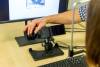
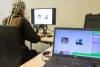
COBELab is equipped with modern technologies for behavioral and neuroscience research.
Our device enables detailed analysis of visual attention, brain activity and consumer interaction with media, products and environments.
Within the ETLab we use technology from SMI (SensoMotoric Instruments), SR-Research and Pupil Labs.
The lab is also equipped with an EEG system from Brain Products. There is also an Emotiv EPOC+ device for EEG recording.
Other equipment includes photographic equipment (full-frame camera, light tent and studio lights) for product photography as well as shelving systems from EDEN.